


Srinagar- Amid the bloom and fragrance of Kashmir’s spring, the Foundation of Education Revival Through Arts and Aesthetics in Kashmir (EdRAAK) has rolled out its annual “Soun’tich Mashq” series— a decade-old initiative aimed at engaging schoolchildren and young minds through art, culture, and heritage.
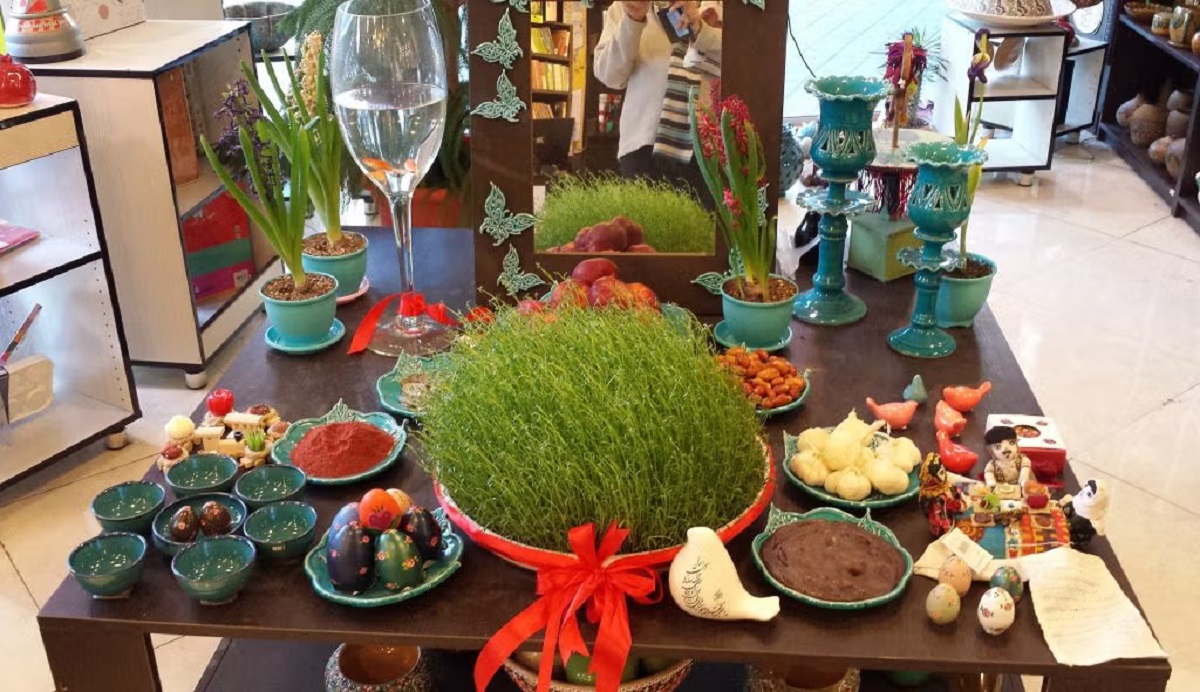
This year, the initiative has been marked by the revival of the traditional “Haft Seen” dastarkhan at Badam Va’er, bringing together participants in a symbolic and immersive cultural experience rooted in Kashmiri and Persian traditions.
At a time when the age-old practice of sharing meals on the traditional dastarkhan is gradually fading—replaced by hurried dining routines and screen distractions—EdRAAK’s initiative seeks to rekindle the essence of togetherness. Organisers noted that the culture of sitting together as a family, sharing tea or meals, and engaging in meaningful conversations is being eroded in modern lifestyles where time constraints and mobile devices dominate daily routines.
The “Haft Seen” workshops and accompanying heritage walks form part of EdRAAK’s broader effort to sensitise the younger generation about the importance of preserving art, culture, and heritage. The initiative also aligns with the observance of World Heritage Day 2026, themed “Emergency Response for Living Heritage in Context of Conflicts and Disasters.”
Highlighting the urgency of safeguarding cultural memory, EdRAAK founder and crafts and heritage consultant Iliyas Rizvi said that while conflicts and natural disasters visibly damage physical structures, their deeper impact lies in erasing collective memory.
“The memories of the 2014 floods in Kashmir, or the extensive damage to rare heritage sites in the ongoing conflict in Iran, are lessons for all,” Rizvi said. “The destruction of sites such as the historic synagogue, the Gulistan Palace, and several locations across Tehran and Isfahan underscores how fragile heritage can be in times of war and climate change. Estimates suggest that around 100 heritage sites have been damaged in ongoing conflicts across the Middle East.”
The “Haft Seen: Community Archiving Workshops” are designed to explore the relationship between objects and memory. Drawing inspiration from the spring tradition of arranging seven symbolic items beginning with the letter ‘S’, the workshops encourage participants to engage in collective storytelling through personal artifacts.
Participants are invited to bring everyday objects—such as household items, photographs, letters, books, or diaries—and share the stories associated with them in small groups. Each participant narrates memories linked to their chosen objects, while others listen, reflect, and respond with questions or related experiences. The process continues until all voices are heard, followed by a collective reflection on archiving practices, their forms, and their significance.
The workshops aim to provoke questions about how objects carry meaning, how fragmented personal histories can create shared narratives, and how communities can consciously preserve intangible heritage through storytelling and documentation.
EdRAAK, which completes 15 years of its journey, has consistently worked to preserve, revive, and promote arts, crafts, and cultural heritage in Kashmir. Through heritage and photo walks, art and craft exhibitions, and creative workshops, the organisation has engaged participants across age groups, fostering innovative learning spaces that integrate traditional practices with modern, including AI-assisted, pedagogies.
Over the years, the initiative has sought to challenge conventional educational approaches by introducing creative and multidisciplinary methods. Its interventions focus on nurturing emotional awareness, aesthetic appreciation, and creativity, with the broader goal of shaping compassionate, responsible, and imaginative individuals.
At its core, EdRAAK continues to emphasise the preservation of cultural essence while encouraging new forms of learning—ensuring that heritage is not only remembered but actively lived and passed on to future generations.
This article has been automatically published using a syndicated feed. The content is sourced externally and may not have been reviewed by The Freelancers Team.