



Islamabad- Attempts at ceasefire talks between the United States and Iran fell flat after Tehran’s top diplomat left Pakistan, and President Donald Trump’s envoys stayed away after he told them not to travel to Islamabad.
The US president indicated the ball was now in Iran’s court.
“If they want to talk, all they have to do is call!!!” Trump said on social media.
The negotiations were meant to follow historic face-to-face talks earlier this month between the US, led by Vice President JD Vance, and Iran, led by Parliament Speaker Mohammad Baqer Qalibaf.
But Iranian officials have questioned how they can trust the US after its forces started blockading Iranian ports in response to Iran’s grip on the Strait of Hormuz.
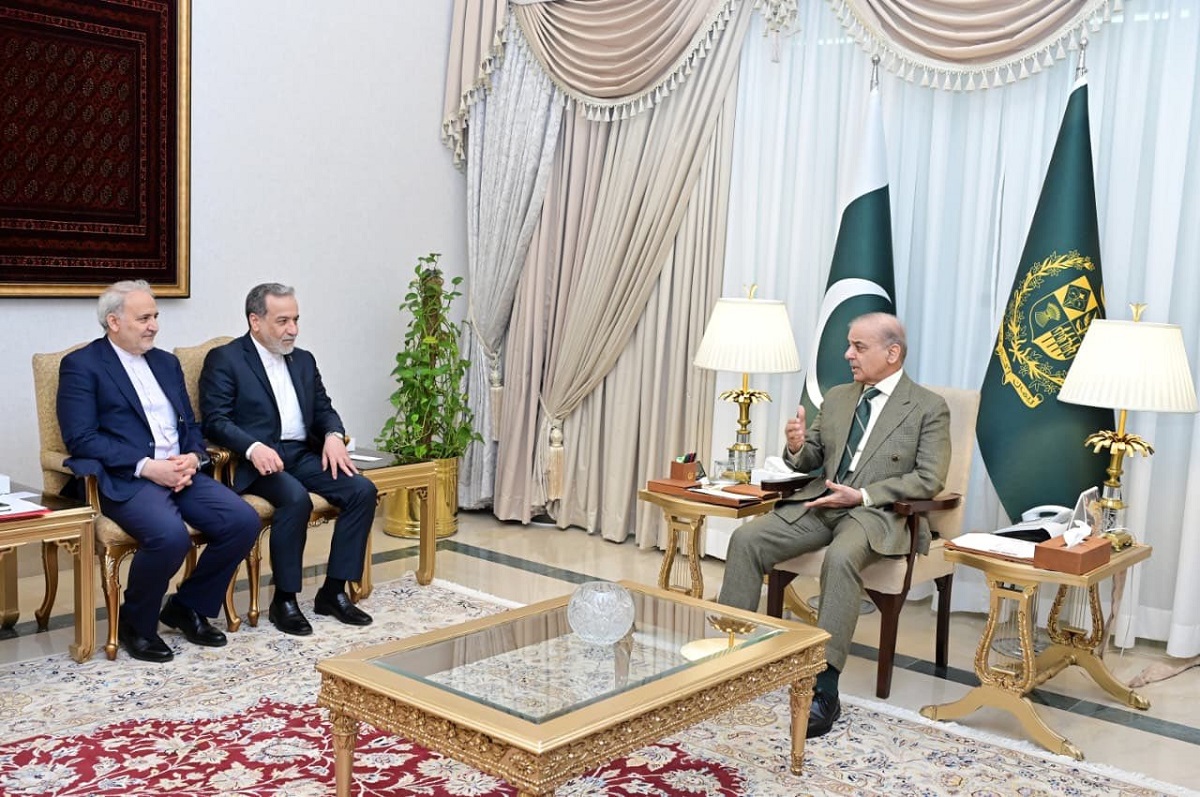
Iran’s Foreign Minister Abbas Araqchi left Islamabad for Oman, on the other side of the Strait of Hormuz and a country that has mediated peace talks in the past. He said he would return to Pakistan again on Sunday before heading to Russia, Iran’s state-run IRNA news agency reported.
“Shared Iran’s position concerning a workable framework to permanently end the war on Iran. Have yet to see if the US is truly serious about diplomacy,” Araqchi said on social media about his talks in Pakistan about what he called Iran’s red lines for negotiations.
Meanwhile, another ceasefire – between Israel and the Iran-allied Hezbollah in Lebanon – was shaken on Saturday as each side fired at the other, and Israeli Prime Minister Benjamin Netanyahu ordered the military to “vigorously attack Hezbollah targets in Lebanon”.
Iran had said any talks would be indirect
Last week, Trump announced an indefinite extension of the ceasefire with Iran. It has paused most fighting, but the economic fallout is growing, two months into the war, as global shipments of oil, liquefied natural gas, fertiliser, and other supplies are disrupted by the near-closure of the Strait of Hormuz.
Both sides have continued to make military threats. Iran’s joint military command on Saturday warned that “if the US continues its aggressive military actions, including naval blockades, banditry, and piracy,” it will face a “strong response.”
Even before Saturday’s developments, Iran’s foreign ministry said any talks would be indirect and that Pakistani officials would act as go-betweens.
Within 10 minutes of his cancelling the trip to Pakistan of his envoys — Steve Witkoff and Jared Kushner — Trump claimed that Iran had sent a “much better” proposal. He did not elaborate.
The standoff around the Strait continues
The price of Brent crude oil, the international standard, is nearly 50 per cent higher than when the war began because of Iran’s grip on the strait, through which a fifth of the world’s oil passes in peacetime.
Iran attacked three ships last week, while the US maintains a blockade on Iranian ports.
Also, on Saturday, Iran resumed commercial flights from Tehran’s international airport for the first time since the war began with US and Israeli strikes on Feb. 28. Flights were scheduled to depart for Istanbul, Oman’s capital of Muscat and the Saudi city of Medina, according to state-run television.
Pakistan PM dials Iranian President
Hours after Foreign Minister Araqchi departed Islamabad, Pakistan Prime Minister Shehbaz Sharif spoke with Iranian President Masoud Pezeshkian and discussed the evolving regional situation.
During the telephonic conversation on Saturday evening Sharif expressed his commitment to serve as a “sincere and honest” facilitator in promoting lasting peace in the region, according to his office.
“During their warm and cordial conversation that lasted fifty minutes, the two leaders had a detailed exchange of views on the current regional situation and ongoing efforts to promote peace and stability in the region,” the prime minister’s office said.
PM Sharif provided President Pezeshkian an overview of his recent diplomatic outreach to various world leaders. He emphasised that these interactions have contributed to building a broader consensus in favour of sustained dialogue and diplomacy, aimed at achieving lasting peace in the war-affected region.
He appreciated Iran’s continued engagement and “reaffirmed that, with the support of friends and partners, Pakistan remains committed to serving as an honest and sincere facilitator – working tirelessly to advance durable peace and lasting stability in the region”.
President Pezeshkian thanked the Prime Minister, Field Marshal Asim Munir, and Deputy Prime Minister Ishaq Dar for their significant contribution to the peace efforts.
While expressing Iran’s desire for peace, he also expressed confidence that the fraternal ties between Iran and Pakistan would continue to strengthen and expand in the future.
The Prime Minister appreciated the participation of the high-level Iranian delegation in the talks held in Islamabad on 11-12 April and also welcomed Iran’s decision to send a delegation led by Foreign Minister Araghchi, who held important meetings, including a detailed two-hour meeting with the Prime Minister.
PM Shehbaz conveyed his respectful greetings and regards to the Supreme Leader Ayatollah Mojtaba Khamenei.
“Both leaders agreed to continue their close coordination,” the PM Office said. (AP)
This article has been automatically published using a syndicated feed. The content is sourced externally and may not have been reviewed by The Freelancers Team.