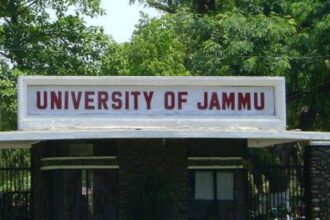




Attendance and enrollment figures have become a growing concern in many higher education institutions.
Students are making choices based on the realities they face outside campus gates. Many young people see education as valuable, but they also want a clear connection between what they learn and the opportunities that await them after graduation.
This moment presents a chance for universities and colleges in Kashmir to rethink their purpose.
Higher education has mostly faced criticism for producing graduates who spend years searching for jobs instead of creating opportunities for themselves and others. A changing economy demands a different approach.
According to the India Skills Report 2025, employability remains a concern among graduates despite rising levels of education. Several national surveys have also shown that a large number of young people struggle to find work that matches their qualifications. Employers frequently point to skill gaps, limited practical exposure, and a lack of industry experience.
A university education should prepare students for life, work, and leadership. That goal becomes easier to achieve when classrooms expose students to entrepreneurship, innovation, financial literacy, digital skills, problem-solving, and real-world projects.
Such subjects should become a regular part of the curriculum rather than remaining limited to occasional seminars or annual events.
Many campuses already host startup incubation centers and entrepreneurship cells. Those initiatives have value, and they have introduced students to new possibilities. Greater impact comes when entrepreneurial thinking becomes part of everyday learning.
Students should have opportunities to build products, test ideas, interact with businesses, and solve local challenges as part of their academic journey.
Research from organizations such as the World Economic Forum and the Organisation for Economic Co-operation and Development highlights the growing importance of adaptability, creativity, critical thinking, and entrepreneurial skills in modern economies. Employers increasingly seek graduates who can identify opportunities, work in teams, communicate effectively, and turn ideas into action.
Kashmir is at an important point in its economic journey. Buzz about startups, innovation, technology, and self-employment have become more visible than ever before. Educational institutions can play a central role in translating those conversations into meaningful outcomes.
Stronger partnerships with industry, regular internships, project-based learning, and curriculum reforms can help bridge the gap between education and employment.
Students enter universities with hopes, ambitions, and expectations. Education becomes truly meaningful when it equips them with confidence, practical skills, and a sense of direction.
Campus life should serve as preparation for the challenges and opportunities that await beyond graduation.
Educational institutions have long embraced the ideal: “Enter to learn, leave to serve.” Giving that motto fresh meaning in today’s world begins with classrooms that prepare students not only to seek opportunities but also to create them.
This article has been automatically published using a syndicated feed. The content is sourced externally and may not have been reviewed by The Freelancers Team.