



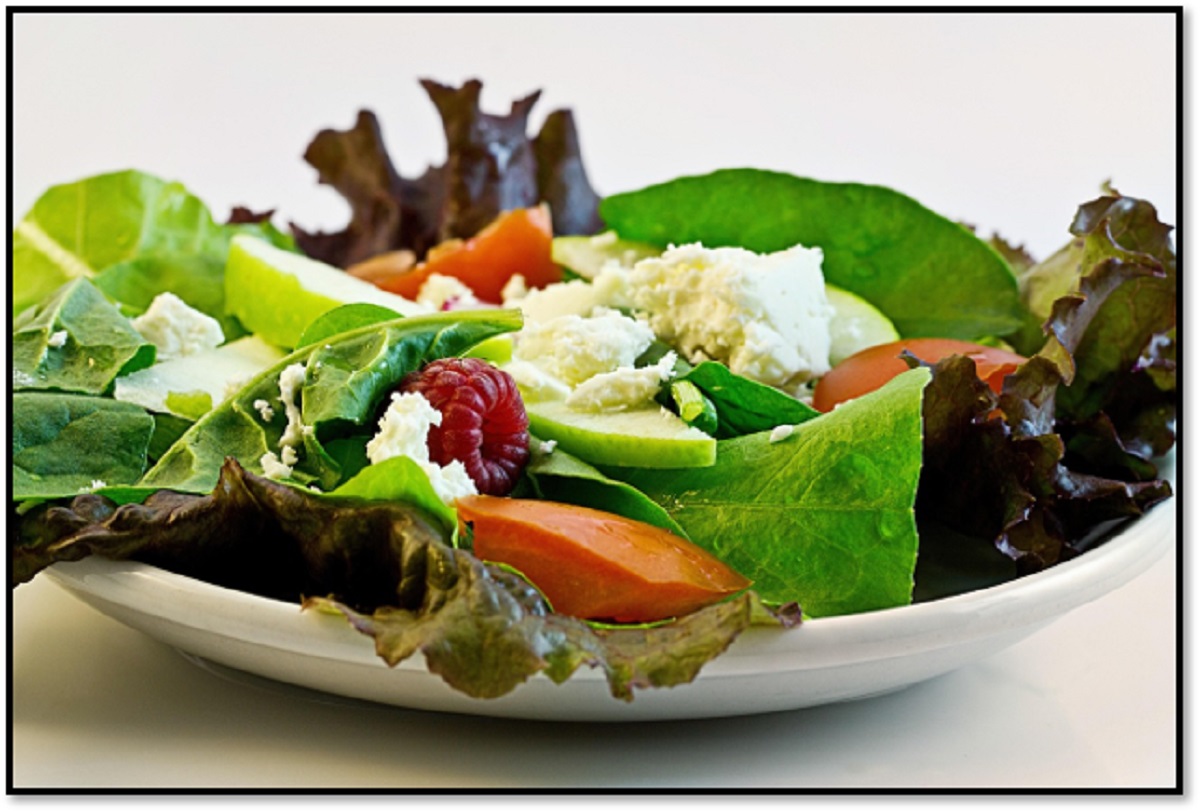
Runners burn a lot of energy while sprinting, so diet plays a huge role in how you feel on the track. Experts say that about 60% to 70% of your calories should come from carbohydrates, while healthy fats and lean protein should make up 15% to 20% of the remaining calories.
To accomplish that, you don’t need a complicated diet. Read this blog to know what to eat.
Food that Runners Should Consume
For regular runners, a good diet is important for providing energy, boosting strength, and preserving muscle mass. Make sure you include these in your diet:
1. Consume Carbohydrates
Carbs are the primary source of your energy. They get broken down into sugars and are stored as glycogen in your muscles for later use. If your carb intake is low, you’ll feel tired, sluggish, and unable to maintain your pace.
Runners should get significant energy from healthy, complex carbs, which they can get from:
- Rice
- Whole wheat bread
- Sweet potatoes
- Whole-grain pasta
- Bananas
- Fruits
- Quinoa
2. Prioritize Protein
If you’re wondering, “Is protein important for runners?” The answer is absolutely YES!! It is vital for repairing microtears in muscle tissue, speeding recovery, and supporting immune function.
You should consume 1.2-2 g of protein per kilogram of body weight per day. Since protein is very filling in nature, you can’t eat all of it at once. Consume protein-rich meals spaced 3 to 4 hours apart.
Top protein sources for runners are:
- Eggs
- Chicken
- Lentils
- Fish
- Greek yogurt
- Tofu
- Cottage cheese
- Beans
3. Stay Hydrated
Hydration is crucial for every runner because even mild dehydration can reduce performance, endurance, and recovery. There is no fixed number, but the recommended water amount depends on your body’s needs. Along with water/liquid intake, make sure you’re getting enough sodium, potassium, and magnesium, as these are lost through sweat while running.
You can have these:
- Plain water (absolutely necessary)
- Fruit juice
- Electrolyte drinks
- Cucumber-infused water
- Herbal tea
4. Include Healthy Fats
Healthy fats are dense stores of long-lasting energy that help runners sustain longer runs. Fats are also needed for the absorption of fat-soluble vitamins like A, D, E, and K, which are then needed for bone health and strength, as well as for improved joint mobility. You can get these from plant foods and fatty fish like:
- Avocados
- Fatty fish
- Nuts
- Seeds
- Olive oil
If you can’t include these fatty foods in your diet on a daily basis, then you can simply add omega 3 tablets to your routine. These are designed to support heart function and joint function, helping you lead a more athletic lifestyle.
Tips to Follow Before and After Your Run
To stay fueled and recover effectively, keep these important nutrition recommendations in mind:
1. Don’t go running on an empty stomach. Chances are, you have to stop midway because of low energy or a growl in your belly. Always eat something light before the run, like bananas, honey toast, energy bars, or fruit smoothies. If it’s going to be a long run, then eat energising foods at least 1 to 3 hours before to avoid discomfort.
2. Refuelling after every run is super essential. Always grab something to eat or drink to help with recovery. Some suggestions include carb- and protein-rich foods like protein oats, energy shakes, eggs, and wholegrain pasta, which help replenish glycogen stores and support muscle repair.
3. Take pre-run nutrients to get the most out of their running session. For example, you can turn to supplements or performance-enhancing foods like beetroot and caffeine. Consult your healthcare provider before taking any supplements.
To Sum Up
If you are a runner looking for the best diet to support your active lifestyle, you need to include complex carbs, high-quality protein, and healthy fats. Consuming these from natural foods or supplements helps runners maintain energy levels, recover efficiently, and support performance over time. Rather than focusing on strict diet rules, aim to meet your body’s needs consistently throughout the week.
This article has been automatically published using a syndicated feed. The content is sourced externally and may not have been reviewed by The Freelancers Team.