


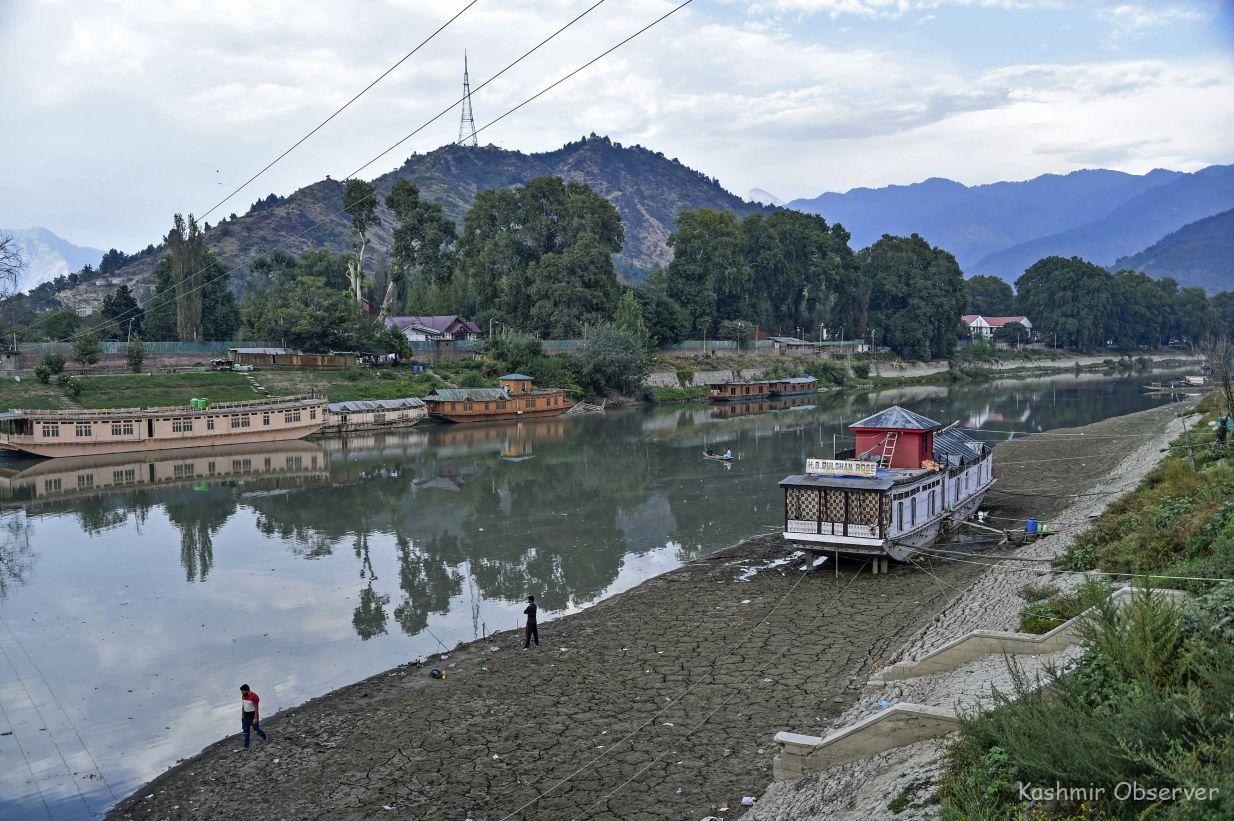
Srinagar- Jammu and Kashmir recorded a 24 per cent rainfall deficit in June, marking the eighth consecutive month of below-normal precipitation, even as frequent rain spells during the month offered some relief to soil moisture and water resources.
The Union Territory received 57.9 mm of rainfall against the normal 75.9 mm during June, extending a precipitation deficit streak that began in November 2025, independent weather forecaster Faizan Arif said.
However, Arif said June differed from the preceding deficit months in the frequency and distribution of rainfall.
“Unlike earlier months, when much of the rainfall occurred during just one or two weather systems, June witnessed recurring spells of light to moderate rain spread throughout the month,” he said.
According to rainfall data shared by the forecaster, six districts recorded surplus rainfall during the month. Poonch registered a 37 per cent surplus, followed by Baramulla at 34 per cent, Ganderbal at 24 per cent, Samba at 22 per cent, Pulwama at nine per cent and Udhampur at six per cent.
Several districts, however, continued to face substantial rainfall deficits. Kishtwar recorded the highest shortfall at 70 per cent, followed by Shopian at 69 per cent, Kulgam at 53 per cent, Rajouri at 51 per cent and Reasi at 44 per cent.
Kathua recorded a 39 per cent deficit, Budgam 31 per cent, Srinagar 29 per cent and Bandipora 28 per cent. Doda, Anantnag, Ramban, Kupwara and Jammu also received below-normal rainfall.
Arif said the recurring spells made June’s rainfall pattern relatively more favourable from a hydrological perspective despite the overall deficit.
“Repeated light to moderate showers allow more water to infiltrate into the soil, gradually recharging groundwater, improving soil moisture and helping sustain the flow of springs, streams and rivers,” he said.
In contrast, he said, rainfall concentrated in a few intense spells often results in greater surface runoff, reducing the efficiency of groundwater recharge despite higher rainfall totals.
The frequent showers, however, were insufficient to erase the monthly shortfall, with Arif warning that the continuing eight-month precipitation deficit remained a concern for water resources, agriculture and the region’s broader hydrological conditions.
“The continuation of an eight-month-long precipitation deficit remains a matter of concern, particularly for long-term water resources, agriculture and hydrological conditions if the trend persists,” he said.
June also witnessed a higher frequency of hailstorms across parts of Jammu and Kashmir. Several areas experienced hail accompanied by thunderstorms, causing localised damage to orchards and agricultural fields.
Meanwhile, Ladakh recorded a sharp contrast, ending June with a 126 per cent rainfall surplus. The Union Territory received 6.5 mm of rainfall against the normal 2.9 mm.
Leh recorded a 198 per cent surplus, receiving 8.2 mm against the normal 2.6 mm. Kargil, however, registered a 69 per cent deficit, receiving just 1.3 mm of rainfall against the normal 4 mm.
Arif said that while Jammu and Kashmir failed to meet its climatological rainfall normal in June, the widespread and recurring showers were likely more beneficial for groundwater recharge and sustaining water resources than isolated heavy rainfall events.
This article has been automatically published using a syndicated feed. The content is sourced externally and may not have been reviewed by The Freelancers Team.