


Nepal may need between $4 billion and $5 billion to rebuild after this week’s devastating floods, finance minister Swarnim Wagle told Reuters on Saturday, as authorities continued to assess the scale of loss and damage.“The initial estimate is between $4-$5 billion. Just an estimate,” Wagle said. “We will require much less than what we needed for the 2015 earthquake. Loss and damage is being assessed.”The reconstruction bill would amount to nearly a tenth of Nepal’s economy.
Over 600 killed, thousands still missing
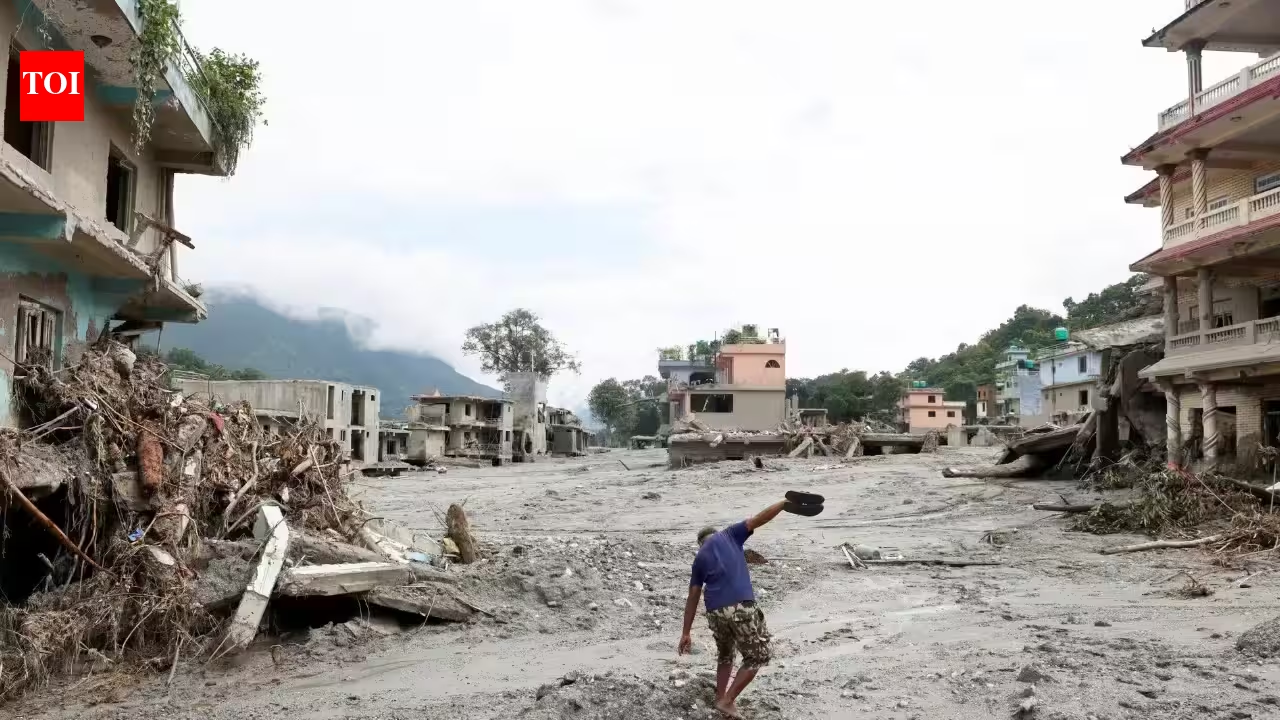
A glacier collapse on Wednesday unleashed a huge torrent of rock, ice, mud and debris through Himalayan mountain river systems, killing more than 600 people in Nepal and China’s Tibet. More than 2,000 people were still unaccounted for.The disaster levelled towns in the border region, sweeping away bridges and roads and damaging major hydropower stations.At least 626 people were killed in Nepal and seven in China’s Tibet, while nearly 3,000 people remained missing across the affected areas.Nepal’s disaster agency said 2,426 people were missing in the country.The floods also damaged power projects accounting for more than 12% of Nepal’s national generating capacity, dealing a blow to an economy reliant on remittances, tourism and hydropower.
Reconstruction estimate lower than 2015 earthquake cost
Wagle did not elaborate on why the reconstruction cost from the latest disaster was expected to be lower than the approximately $9 billion spent after Nepal’s devastating 2015 earthquake.The magnitude-7.8 earthquake, Nepal’s worst recorded disaster, killed nearly 9,000 people, destroyed more than half a million homes and caused losses estimated at around a third of the country’s economy.Meanwhile, search and rescue operations were temporarily disrupted by bad weather in some areas.Nepal has sought specialised foreign technical assistance, including help to rescue people trapped in tunnels, restore transport and communication links, identify bodies and conduct DNA testing.India has sent three flights carrying about 60 tonnes of relief material, including blankets, medicines, food and water purification tablets.
This article has been automatically published using a syndicated feed. The content is sourced externally and may not have been reviewed by The Freelancers Team.