



By Mohammad Ilyas Bhat
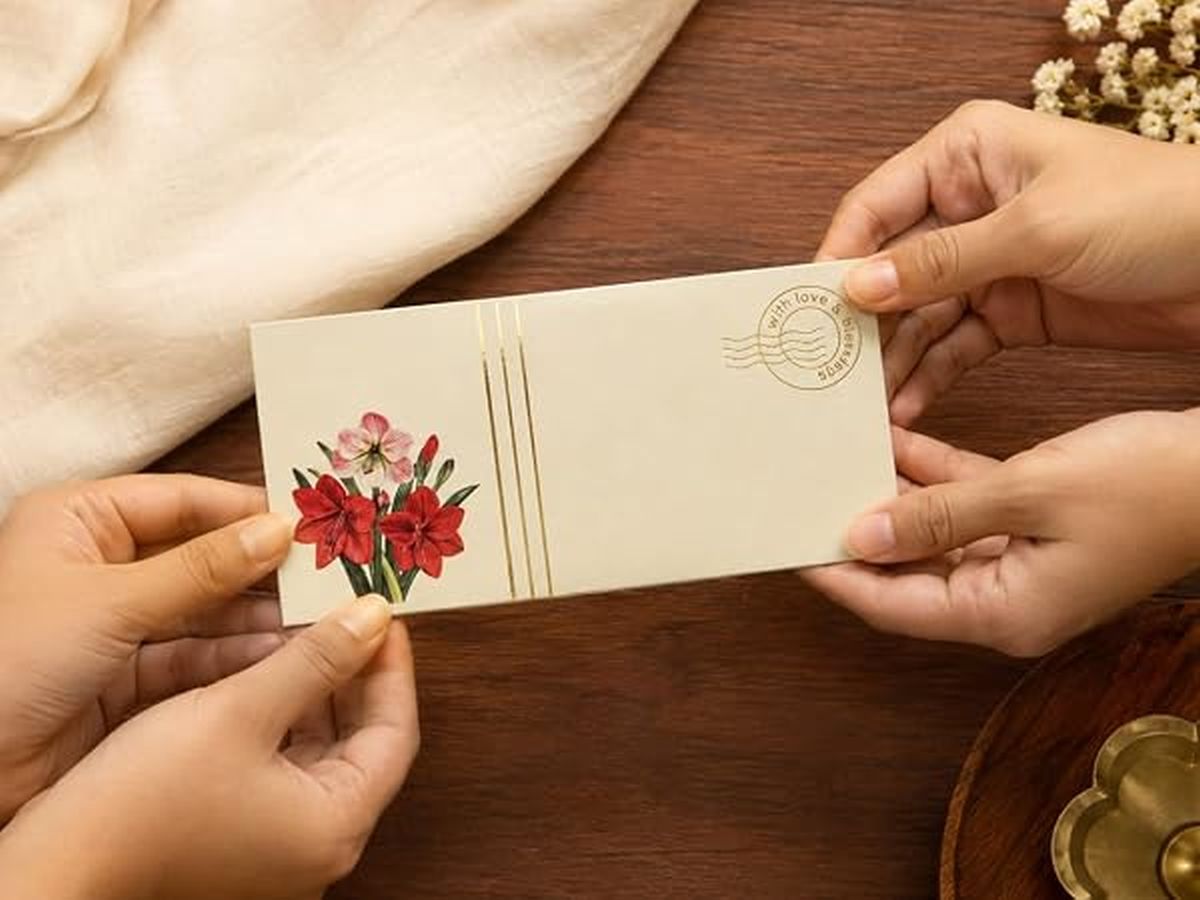
A few days ago, I sat at a waleema in Srinagar while the groom’s mother and her husband worked through a stack of envelopes on the floor beside them.
She lifted one after another and read out the figures the way a shopkeeper closes a register at night.
“Ten thousand,” she said. “I gave them seven thousand three years back, at their daughter’s wedding.”
Then, holding up a thinner envelope: “Four thousand. They always give less than what we give them.”
Beyond bucks, she was counting people, sorting relatives into columns of generous and stingy, loyal and calculating.
Behind that pile of envelopes was a memory more precise than any bank statement: who gave what, in which year, at whose function, and whether this year’s gift settled the account or left a balance owed.
This is wartaav, the custom of exchanging cash gifts at weddings, waleemas and engagements across the valley.
Islam encourages such exchange as an expression of affection, a small gesture meant to strengthen ties between families.
My father, Lala Soab, used to speak of a tradition he had heard of, somewhere in a village in China or Africa, where a person was given gifts on the appearance of his first grey hair, a sign, so the belief went, of moving closer to God.
Whether or not that belief holds, it points to something worth sitting with: that a society decides not only what it gives, but when, and why.
Somewhere along the way, wartaav in Kashmir stopped being a gesture and became a transaction.
What I give you today, I expect returned with interest when my turn comes. A gift is no longer an act of affection so much as an investment awaiting its yield.
Guests walk into wedding halls with envelopes in their pockets mostly because custom leaves them little choice.
Hosts, often without meaning to, start counting whether their relatives have treated them fairly, comparing this year’s generosity with what they gave in years past.
Some Kashmiri families have simply opted out. Many shopkeepers and businessmen no longer participate in wartaav at all, and there is a certain sense in that refusal: it frees both sides from the arithmetic.
One of my uncles rarely attends weddings anymore. “If I have to spend money anyway,” he told me once, half joking, “I would rather go to a restaurant and eat what I like.”
The line drew laughter, but underneath it sat something less funny, that for him a wedding invitation had become indistinguishable from a bill.
A colleague of mine, a mechanic at a local college, told me that certain relatives had stopped inviting him to their functions.
He believed the reason was simple: his envelopes were too thin.
Sit with that for a moment. A man’s presence at a family’s happiest hour, his affection, his blessing, weighed less than the paper in his hand.
That is the question worth asking: are we inviting people to share our joy, or to help finance it?
If wartaav is to mean anything again, perhaps it needs to change address.
Instead of appearing only at moments of celebration, envelopes could appear at moments of need.
Consider a man discharged from hospital after weeks of treatment that emptied his savings. Think of a widow whose husband, the family’s only earner, has just died. Imagine a household facing a funeral, grief and unpaid bills arriving together.
These are the hours when a small sum, placed without ceremony or public tally, could mean far more than any wedding gift.
There need be no register kept at a sickbed, no comparison of who gave what.
Those who can give more should give more, those who can give less should give less, and those who can give nothing at all should still be welcomed for their presence and their prayers.
Imagine the relief of a family that has just buried its breadwinner, finding neighbours at the door not merely with words of sympathy but with unasked-for help.
None of this calls for abolishing gifts, as they remain one of the gentler instincts we have.
What needs abolishing is the bookkeeping, the memory of exact sums, the silent scorekeeping that turns a wedding into a settlement of old debts.
Let the rich give generously and without display, and let the poor give whatever they can manage, or nothing at all beyond their blessing.
No host should measure affection in rupees, and no envelope should ever need to be reopened, recalculated, or repaid.
- The author works in agricultural seed production and is currently writing his first short story collection in Kashmir. He can be reached at [email protected].
This article has been automatically published using a syndicated feed. The content is sourced externally and may not have been reviewed by The Freelancers Team.