


Islamabad- Pakistan Army chief Field Marshal Asim Munir conveyed a US proposal to Iranian leaders during his latest visit to Tehran, offering the lifting of economic sanctions and the naval blockade in exchange for reopening the Strait of Hormuz and halting attacks by Iran-aligned groups, according to a media report.
The proposal, attributed to a senior source cited by Al Arabiya English, was conveyed by Munir during a meeting with Mohsen Rezaei, secretary of Iran’s Supreme National Security Council and representative of Supreme Leader Ayatollah Ali Khamenei. The report described the meeting as “clear and decisive”.
The reported offer has not been independently confirmed by Washington or Tehran.
Munir also urged Iran to resume implementation of the 14-point Memorandum of Understanding (MoU) reached with the US in June and reportedly told Rezaei that both Washington and Tehran were responsible for disrupting the understandings reached under the agreement.
The Strait of Hormuz has emerged as the central flashpoint in the latest US-Iran confrontation, with shipping through the strategic waterway severely disrupted.
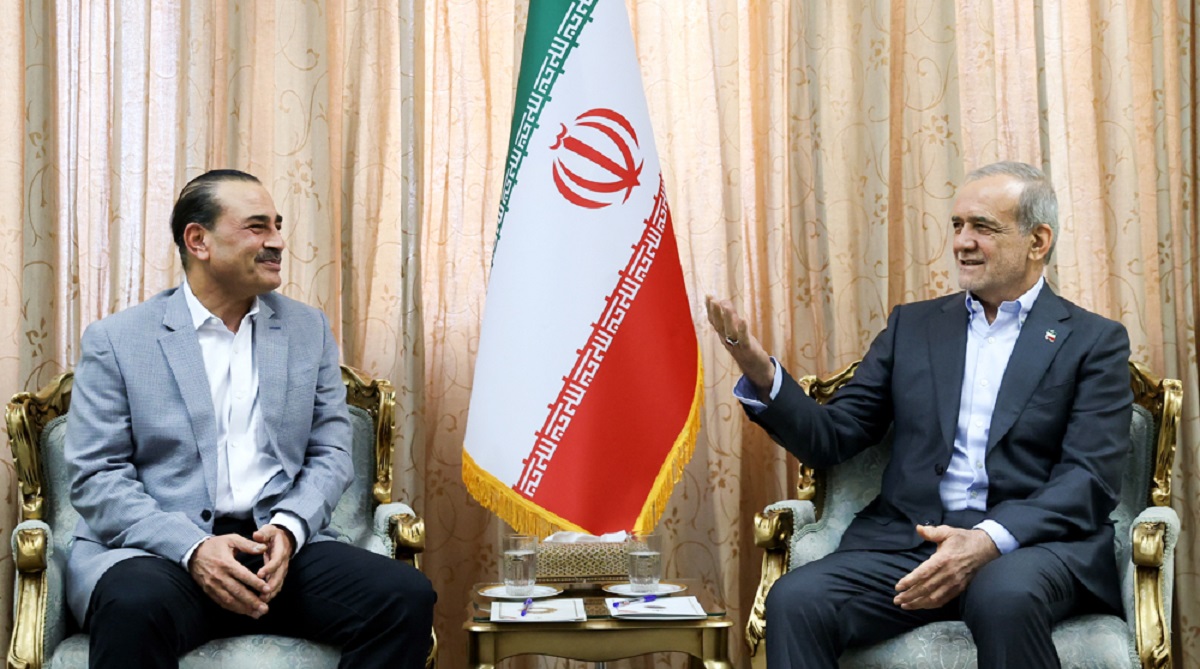
The reported proposal came as Munir concluded a day-long visit to Tehran on Monday, accompanied by Pakistan Interior Minister Mohsin Naqvi, as Islamabad stepped up efforts to revive stalled US-Iran diplomacy.
Pakistan’s military said the visit was part of Islamabad’s efforts to “end the stalemate” in the conflict and seek an enduring and peaceful resolution.
The Inter-Services Public Relations (ISPR) said Munir held meetings with Iranian President Masoud Pezeshkian, Rezaei, Parliament Speaker Mohammad Bagher Ghalibaf, Foreign Minister Abbas Araghchi and Interior Minister Eskandar Momeni.
“Comprehensive discussions focused on measures to prevent further escalation, reopening of the Strait of Hormuz and expedited termination of the conflict,” the ISPR said.
The discussions also covered regional peace and possible avenues for a negotiated settlement, it said.
Iran insists US must honour commitments
Iranian officials, however, continued to accuse Washington of violating commitments under the June MoU.
Ghalibaf said Tehran remained committed to implementing the agreement but insisted that the US must first honour its obligations.
“The commitments of the parties in the Memorandum of Understanding are clear,” he said, accusing Washington of breaching its commitments and undermining regional stability.
President Pezeshkian also told Munir that Washington needed to change its approach towards Tehran, warning that what he described as US “coercion and bullying” would hamper diplomatic progress.
Naqvi, meanwhile, said Pakistan and Iran had made “significant progress” during discussions on the conflict and the possible restoration of the Islamabad-brokered understanding.
Trump-Munir contact before Tehran visit
Munir’s mission followed a telephone conversation with US President Donald Trump last week, according to reports citing sources familiar with the call. The conversation reportedly included discussions on Iran, though details were not disclosed.
The reported US proposal therefore adds another dimension to Pakistan’s mediation effort, with Islamabad now attempting to bridge positions between Washington and Tehran while the Strait of Hormuz remains at the heart of the crisis.
The 55-km-wide waterway between Iran and Oman connects the Persian Gulf with the Gulf of Oman and is one of the world’s most important energy corridors.
Before the conflict, roughly a fifth of global oil supplies passed through the waterway.
Pakistan has previously played a role in brokering ceasefire and diplomatic understandings between Iran and the US, but those efforts subsequently faltered as military tensions resumed.
The latest initiative comes amid an expanded US sanctions campaign against Iran. Washington has warned countries and companies against providing Tehran with economic lifelines, while Iran has threatened retaliation against states that cooperate with the US pressure campaign.
For Islamabad, the Tehran mission represents its latest attempt to reopen a diplomatic channel at a time when the conflict is disrupting energy markets and threatening to widen across the region.
The reported US offer, if confirmed, would put the reopening of Hormuz and an end to Iran-linked attacks at the centre of a potential bargain: sanctions and blockade relief in return for restoring freedom of navigation and de-escalating the wider conflict.
This article has been automatically published using a syndicated feed. The content is sourced externally and may not have been reviewed by The Freelancers Team.